Shiva Temple
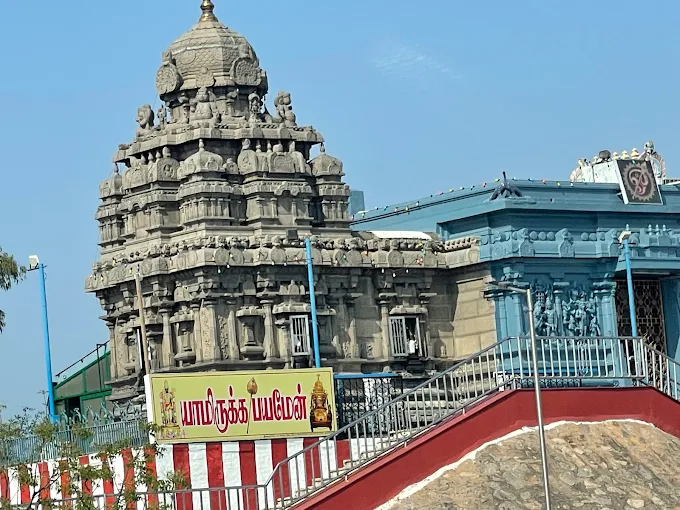
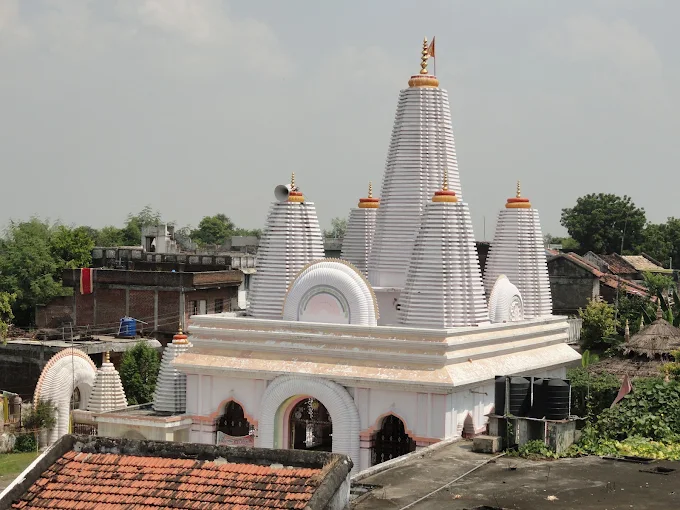
The town of Rangpo, located at the border of Sikkim and West Bengal, is the gateway to the beautiful state of Sikkim. As visitors pass through Rangpo on their way to Gangtok and other scenic destinations, they often overlook a spiritual treasure tucked away in this town — the Shiva Temple of Rangpo. This temple, dedicated to Lord Shiva, is a serene and sacred site that holds great importance for the local people and visiting pilgrims.
Built with devotion and maintained with love, the Shiva Temple of Rangpo is not only a religious structure but also a symbol of peace and unity. With its simple architecture, natural surroundings, and spiritual aura, the temple welcomes people of all backgrounds to pray, reflect, and find inner calm.
Location and Setting
The Shiva Temple is located near the banks of the Teesta River in Rangpo town, close to the Sikkim-West Bengal border. Rangpo is well connected by road and serves as an entry point to East Sikkim. The temple can be reached by foot or a short drive from the main Rangpo market area. The surrounding area is clean and green, with trees, birds, and the sound of flowing water creating a peaceful atmosphere.
Many people stop at this temple while traveling to or from Gangtok. Some come for daily worship, while others take a break from their journey to find spiritual peace before entering Sikkim. The temple’s location near the river adds to its beauty and sacredness, as rivers are considered holy in Hinduism.
Importance of Lord Shiva in Hinduism
Lord Shiva, also known as Mahadev, Bholenath, and Shankar, is one of the most powerful gods in Hinduism. He is part of the holy trinity: Brahma (creator), Vishnu (preserver), and Shiva (destroyer and transformer). Shiva is worshipped as a god of meditation, transformation, power, and compassion.
In many temples, including the one in Rangpo, Shiva is worshipped in the form of a Shiva Lingam—a smooth, round stone that symbolizes his endless energy and presence. Devotees pray to him for good health, peace, protection from evil, success in life, and liberation from suffering. He is known to be a “bhakta-vatsal” (kind to his devotees) and is believed to fulfill the wishes of those who pray with true devotion.
Temple Architecture and Features
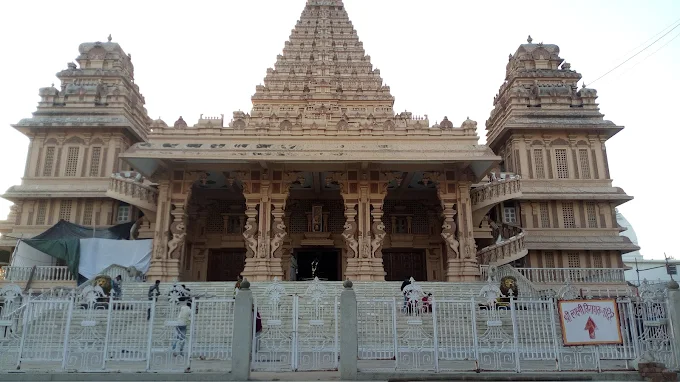
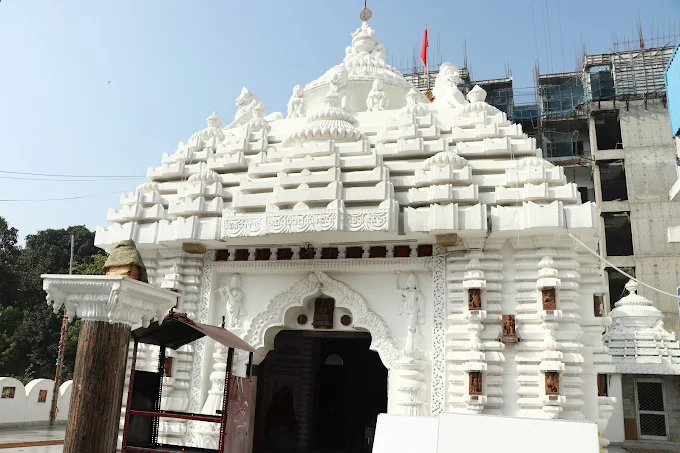
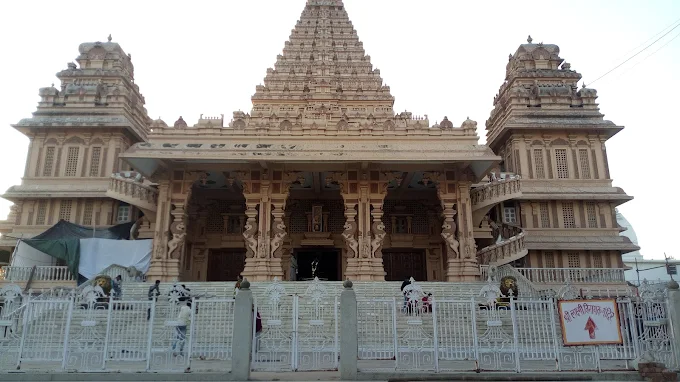
The Shiva Temple in Rangpo is not very large or grand, but its simplicity makes it spiritually beautiful. It is built in a traditional Hindu style, often with a shikhara (temple tower) rising above the sanctum. The temple is painted in peaceful colors like white or light yellow, symbolizing purity and divinity.
At the entrance, there is usually a large bell that devotees ring before entering. This sound is believed to awaken the divine presence and prepare the mind for prayer. Just outside the sanctum, you can find a statue of Nandi, the sacred bull and gatekeeper of Shiva, always looking toward the Shiva Lingam.
Inside the main temple hall, the Shiva Lingam is placed on a raised platform, often decorated with bilva leaves, flowers, sandalwood paste, and sacred ash. Small idols or images of Goddess Parvati, Lord Ganesha, and Lord Kartikeya may also be placed nearby, as they are Shiva’s family members.
Daily Rituals and Worship
The temple opens early in the morning, often around 5 or 6 AM, and remains open till evening. The day begins with the cleaning of the temple and ritual bathing (Abhishekam) of the Shiva Lingam with water, milk, curd, honey, and ghee. These items are considered pure and sacred. After the Abhishekam, flowers, fruits, and incense are offered.
Devotees chant “Om Namah Shivaya”, the holy mantra of Lord Shiva, which means “I bow to Lord Shiva.” This mantra is believed to bring peace, clarity, and spiritual strength.
Special aarti (light offering) is performed in the morning and evening. The glowing lamps, the sound of bells, and the chanting of mantras create a beautiful spiritual atmosphere. Visitors can offer prasad (offering food) like bananas, coconuts, and sweets, which are later distributed to everyone.
Significance of Mondays
In Hindu tradition, Monday is the most special day for Lord Shiva. Devotees fast on this day, visit the temple, and offer milk, water, and bilva leaves to the Shiva Lingam. The temple is often busier on Mondays, especially in the month of Shravan (July-August), which is fully dedicated to Shiva.
People believe that praying on Mondays brings peace in family life, protection from negative energies, and success in education or career. The spiritual atmosphere on these days is full of energy and devotion.
Festivals Celebrated at the Temple
The most important festival celebrated at the Shiva Temple in Rangpo is Mahashivratri—the Great Night of Shiva. This sacred night usually falls in February or March and is celebrated with deep devotion.
On Mahashivratri:
-
Devotees fast throughout the day
-
The temple is decorated with flowers and lights
-
The Shiva Lingam is bathed every few hours
-
Devotees chant mantras, sing bhajans (devotional songs), and stay awake all night
Other festivals celebrated at the temple include:
-
Shravan Maas (whole month of July–August): Daily offerings and prayers to Shiva
-
Nag Panchami: Special worship of snakes, which are dear to Lord Shiva
-
Janmashtami, Navratri, and Diwali: Though not directly linked to Shiva, these are also observed with devotion
During these festivals, the temple becomes a place of joy, prayer, music, and community bonding. People from nearby villages and towns also join in.
Local Beliefs and Miracles
Many local people believe that the Shiva Temple of Rangpo has spiritual power. People who are going through difficult times—health problems, financial issues, family troubles—come here to pray for help. There are stories of wishes being fulfilled and miracles happening after offering sincere prayers at the temple.
Some people offer hair, bangles, red threads, or coins after their wishes are granted. Others light ghee lamps every Monday as a thank-you to Lord Shiva. The belief in the temple’s power adds to its importance in the hearts of the people.
Temple as a Community Space
The Shiva Temple also plays an important role as a cultural and community center. Many families come here to:
-
Perform marriage ceremonies
-
Do Shraddha rituals for departed ancestors
-
Organize Satyanarayan Katha, bhajans, and group prayers
-
Teach children about Hindu customs and values
Local school children visit the temple during festivals, and many young volunteers help during major events. The temple thus becomes a space where spirituality and social life come together.
Nature and Cleanliness
The temple surroundings are clean and green. Tall trees provide shade, and the sound of birds and nearby river water makes the atmosphere very calming. Visitors are asked to remove shoes before entering and to maintain silence and respect.
Efforts are made by the temple trust and community volunteers to keep the area plastic-free, clean, and eco-friendly. This focus on harmony with nature aligns well with Lord Shiva’s identity as a god of mountains, forests, and rivers.
Visitors and Tourism
Although mainly a place of worship for locals, the temple also welcomes tourists who are passing through Rangpo. Many travelers stop here to relax, pray, or simply enjoy the peaceful vibe. Foreign tourists interested in Hinduism or Indian culture also find this temple interesting.
Some spiritual travelers spend extra time here for meditation and quiet reflection. The location near the river and hills makes it a perfect spot for finding inner peace. Tourists often appreciate the warm welcome and the chance to learn about Shiva worship firsthand.
Temple Management and Donations
The Shiva Temple is managed by a local temple committee or trust, usually made up of respected community members. They handle:
-
Daily operations and rituals
-
Temple repairs and decoration
-
Fund collection and expense management
-
Organizing festivals and events
A donation box is placed at the temple for voluntary offerings. Many people also donate during life events or after their wishes are fulfilled. During festivals, local businesses and individuals support with food, flowers, and services. Some temples have guest books where visitors write their experiences and prayers.
Opportunities for Growth
To increase its reach and preserve its importance, the temple committee may work on:
-
Creating printed materials or signboards for tourists
-
Offering guided tours explaining Shiva worship and temple history
-
Installing solar lighting or eco-friendly facilities
-
Developing a small library or meditation room
Such steps would attract more visitors, increase spiritual awareness, and strengthen community pride.
Recent Post
- Base Camp Island Peak A Journey Beyond Adventure
- Shaman Consultation in Nepal: Spiritual Healing and Guidance
- Einleitung in den Schamanismus in Nepal
- Shamanism in Nepal: Dhami Initiation, Spiritual Calling, and Cultural Practices
- Shamanism Trek in Nepal – Eine spirituelle Reise durch Berge, Kultur und Natur
- Shamanism Trek in Nepal – Explore the Ancient Kirant Culture and Spiritual Trails
- Complete Guide to Hiring a Porter in Lukla – Cost, Benefits & Best Time to Trek
- Mundhum Trail Trek – Kirat Culture Trail Trekking in Nepal
- Guide-Kosten für den Langtang-Trek
- Porter Cost for the Langtang Trek – Complete Guide